
There are moments in life that don’t fit neatly into language — moments that pull us to the wild, mysterious edge of life itself. Losing someone is one of them.
Many believe death is an ending — the closing of a book, a turning to dust. But anyone who has ever sat beside a person as they leave this world knows there is something more there. Something harder to name. Something ancient.
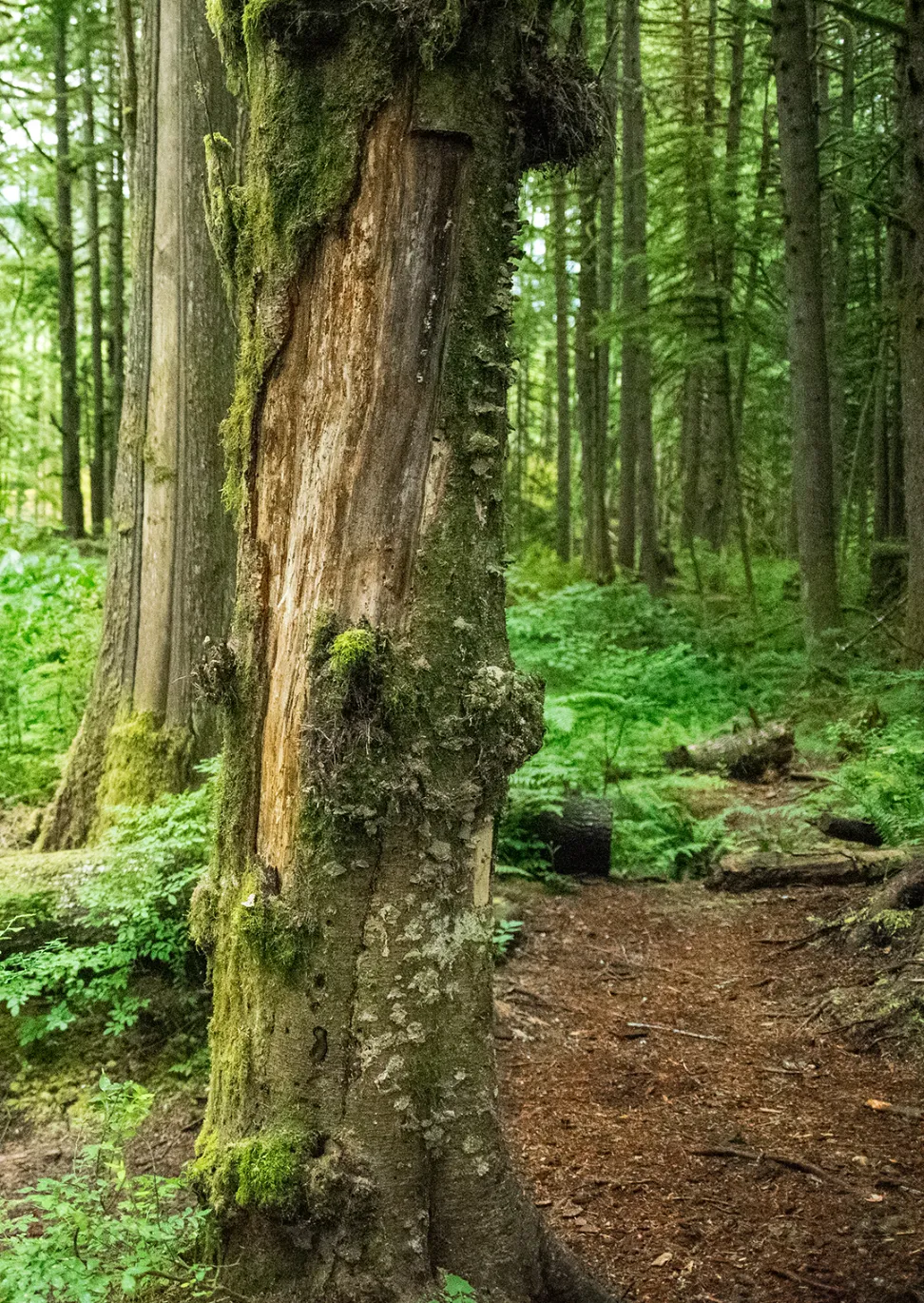
And sometimes, if you are open, you’re pulled into a moment where everything seems to make profound sense. It feels sacred, the way a forest feels sacred when you walk alone and sense all of the richness of life around you. A feeling that we’re more porous than we realize, and if we just let ourselves feel it, the magic of life reveals itself.
The moment I lost my grandmother, the atmosphere shifted. The air thickened, the way it does when you’re deep in the wilderness and the whole world seems to be holding its breath. There’s a quiet that feels almost loud, because you’re not used to hearing it.
I don’t know what it is but — it’s there.
In moments of love, loss—or psilocybin, the space between worlds seems to thin, and we catch a glimpse of something ineffable. The place where everything is woven together. People call it “Oneness,” a concept I never fully grasped, until recently.
Hospice nurses know about it.
Indigenous cultures have always understood it.
Science is slowly catching up.
In that state, love becomes the atmosphere.
Neuroscientists tell us that this feeling comes as the “Default Mode Network” in our brain quiets. Meaning that the part of the mind that insists on being separate and structured loosens its grip. Your mind stops narrating. Your identity softens. Things you normally overlook suddenly come into focus. There is a feeling of connection. A feeling of understanding the truth behind things. Where you recognize the significance and the tenderness of everything: the plants, the wind, tiny creatures, your Grandmother’s essence. In that state, love becomes the atmosphere. And what was always under the surface is suddenly revealed. The same way your breath, always there, becomes visible on a cold day.
Indigenous cultures understood this without brain scans. They said the world becomes thin near death. They said the dying person’s awareness widens, and the living who are open can meet them in that widening.
And sometimes… if you’re soft and present in a way most people never allow themselves to be, you don’t just witness their passing— you meet them in it. That’s what happened with my grandmother. In the moment she slipped away, the sadness hit me, but then came an overwhelming, unmistakable understanding of peace unlike anything I’ve ever experienced before. It was as if her soul and mine recognized each other in the quiet and agreed, everything is okay now.
Of course, losing someone is still profoundly sad. There’s a particular kind of ache that comes when you realize you will never hear their voice again, never laugh together in the same room, never share another ordinary moment. Grief hurts because love doesn’t know where to go once the body is gone. But love doesn’t leave. It simply changes its form.
Grief hurts because love doesn’t know where to go once the body is gone.
Losing someone changes you. It stretches you. It deepens you. It pulls you toward the things that matter. It humbles you. It teaches you to be still. To listen more closely. To notice the small, the fleeting, the beautiful, the strange. To stay open to moments you might normally miss.
I don’t really know what happens after we die. But I’ve been close enough to understand that death isn’t the end of a story. It’s the unfolding of a deeper one. One that doesn’t fit into language, but I believe it’s found somewhere around the edges of your heart.



No Comments